Overthinking
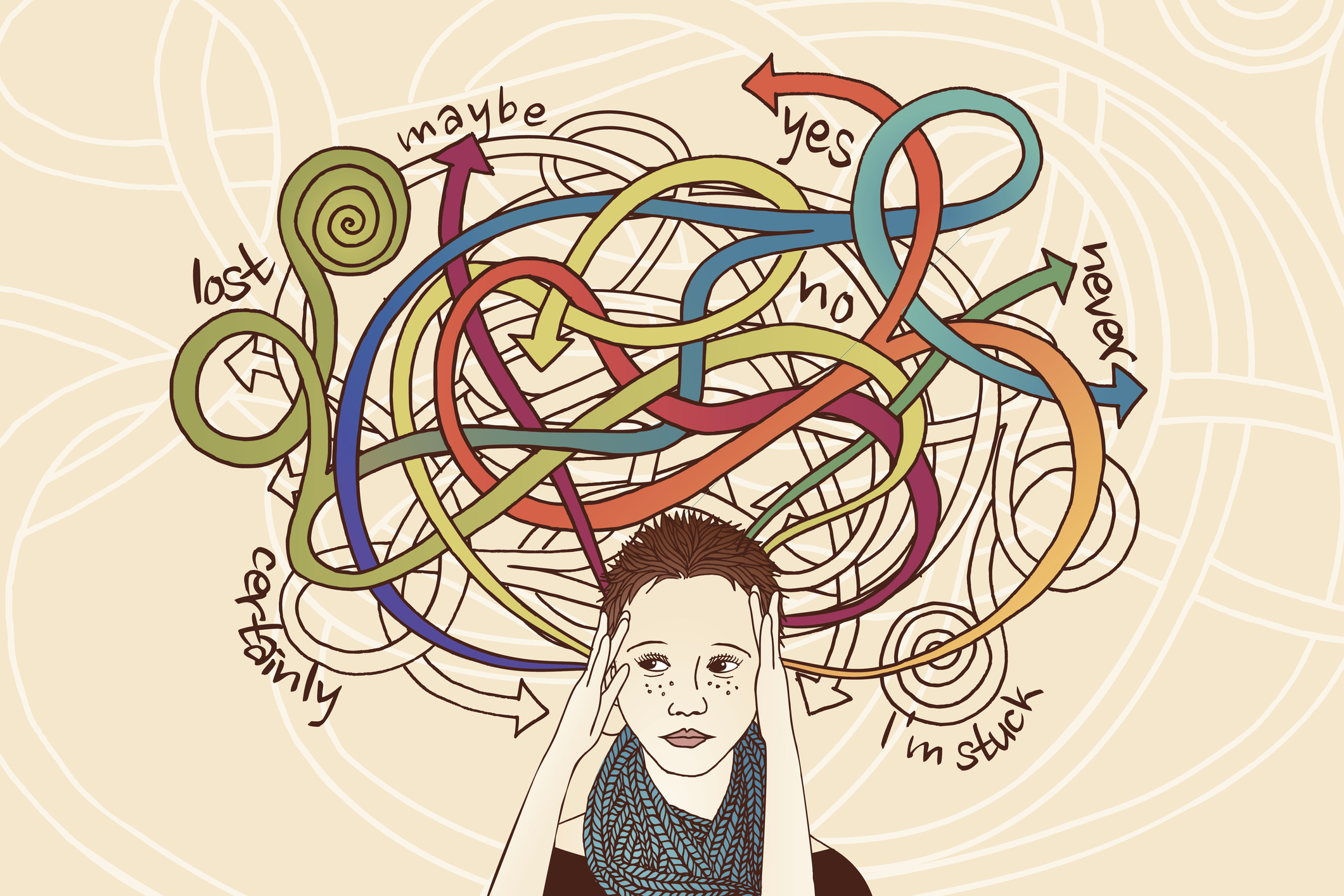
Overthinking, also known as rumination or analysis paralysis, is a common phenomenon that affects many people. It refers to the repetitive and compulsive process of dwelling on situations, problems, or decisions, often to the point where it becomes paralyzing.
One of the hallmarks of overthinking is that it often leads to an endless loop of thoughts. Instead of finding a solution or making a decision, one becomes entangled in increasingly complex thoughts and scenarios, which can lead to heightened anxiety and uncertainty.
Overthinking can arise from various sources, including perfectionism, fear of failure, or a desire for control. It often involves excessive self-reflection and second-guessing, as individuals struggle to find certainty in their thoughts and actions.
While some degree of analysis can be productive, overthinking tends to be counterproductive and draining. It consumes mental energy and can interfere with problem-solving and effective decision-making. Moreover, it can negatively impact mental health, contributing to stress, anxiety, and even depression.
Managing overthinking involves developing awareness of one's thought patterns and learning strategies to interrupt and redirect them. This may include mindfulness techniques, such as grounding exercises or meditation, as well as setting boundaries around excessive rumination.
Ultimately, overcoming overthinking requires practice and patience. By cultivating a more balanced approach to thinking and learning to trust one's instincts, individuals can reduce the grip of overthinking and find greater peace of mind.
Kommentare
Kommentar veröffentlichen